

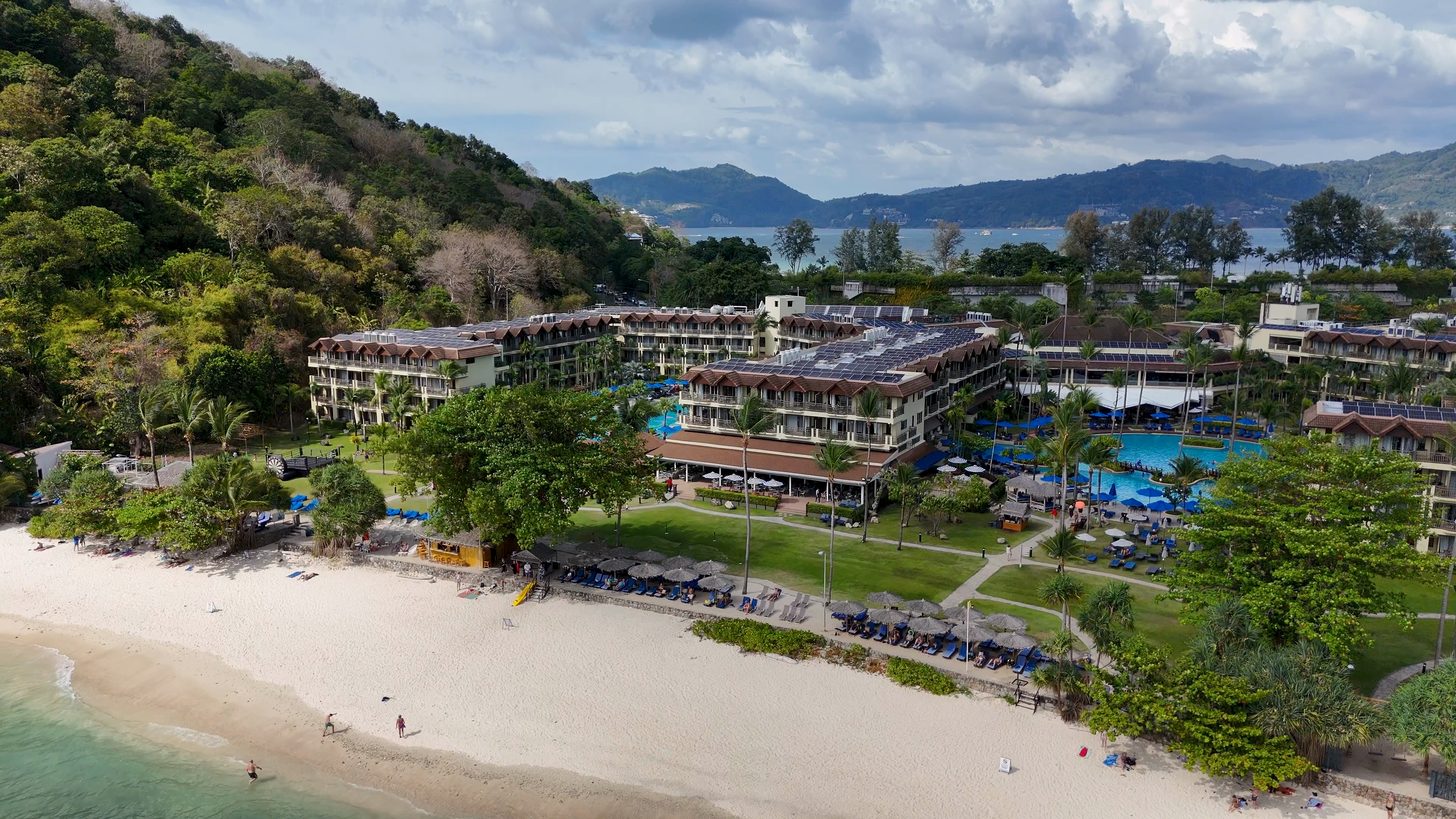
Phuket has approved 275 hotel licences in two months, clearing more than three quarters of a 392-application backlog that had been accumulating since 2018 — after years in which the island processed thirty to forty a year. For an agent, this is not an administrative footnote. It is the moment a large number of Phuket properties stopped being unlicensed, and the moment the ones still outside the system became visibly exposed. This guide from a Thailand DMC for travel agents covers what happened, why the licence status of a property is your problem and not only the hotel's, and what to ask before you contract.
Explera is an IATA TIDS-registered ground handler (96215733) trusted by 340+ agency partners, with in-house transport, licensed guides and 24/7 support. Reach the trade desk at b2b@explera.co.th.
What happened
The approvals followed a direct instruction from the Prime Minister to formalise Phuket's accommodation sector and bring unlicensed operators inside the law. The scale of the change is in the comparison: an island that had been clearing thirty to forty licences a year cleared 275 in roughly two months.
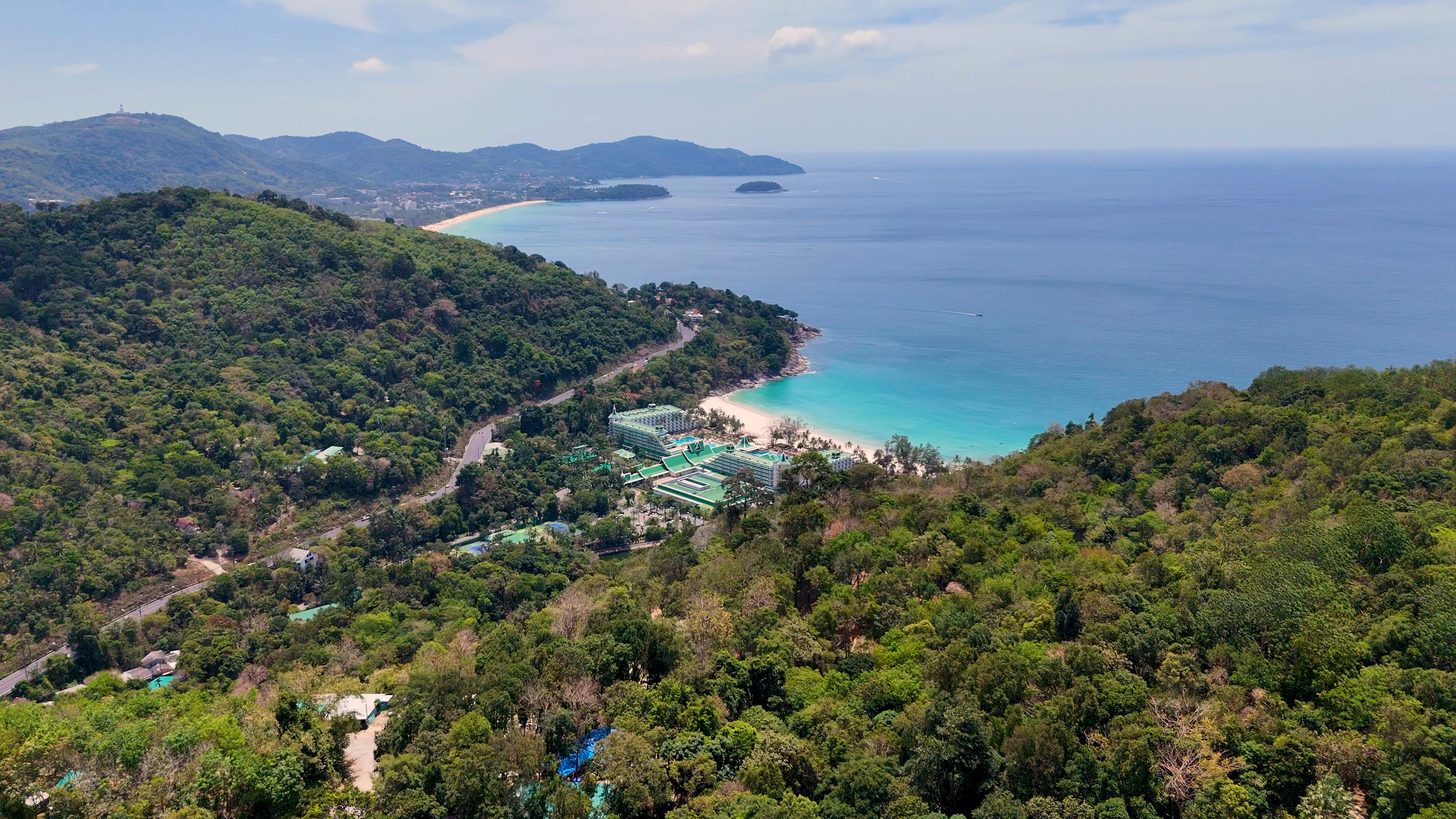
Of the 392 applications sitting in the backlog, the remainder — 117 — are scheduled for review and clearance by September 2026.
It runs alongside enforcement rather than instead of it. The Ministry of Interior has widened its inspection mandate to more than 361 businesses assessed as high-risk on Phuket, and a parallel campaign targets foreign-controlled businesses operating through Thai nominee shareholders. Separately, the government has been overhauling the hotel law itself to cover accommodation formats that did not exist when it was written.
Why an agent should care about someone else's paperwork
Because the consequences land on your client, in your booking, mid-stay:
- An unlicensed property can be closed. Not at the end of the season — on the day of an inspection, with guests in the rooms.
- Insurance and liability follow the licence. When something goes wrong at a property that should not have been operating, the position of everyone in the chain gets worse, including yours.
- Relocation is the real cost. Moving a family mid-stay in high season, at your expense, is what an unlicensed booking actually risks.
- Villas and small properties are where the exposure sits. The large branded hotels were never the problem; the backlog was full of small operators, villas and converted buildings.
- It is now a live enforcement environment. Raids on Phuket properties over alleged illegal operation have already happened.
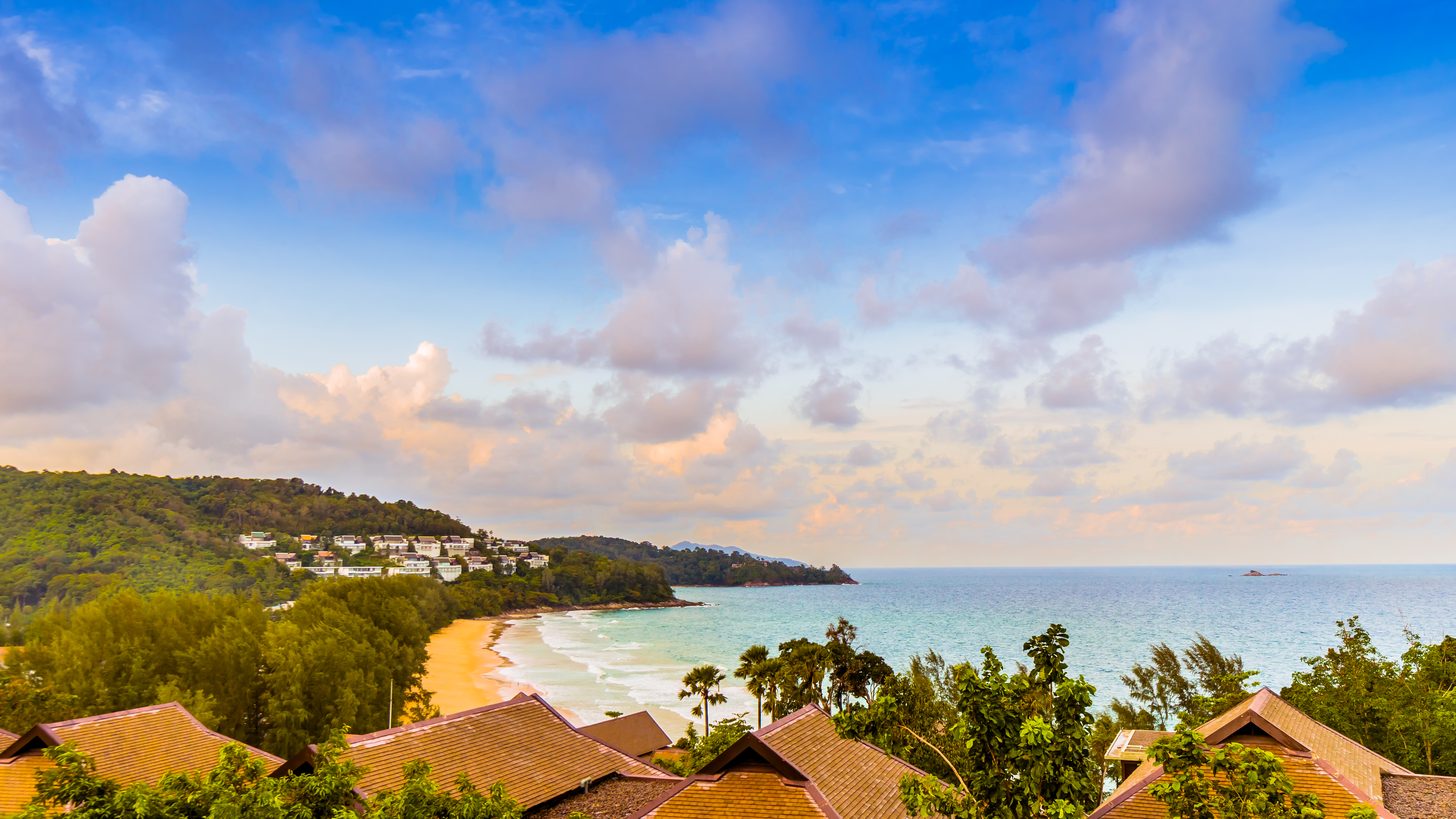
Our supplier licensing guide covers the wider due-diligence question, and our Phuket and Krabi comparison covers what each island is for.
What to ask before you contract
- Ask for the licence number, not for reassurance. "We are fully licensed" is a sentence. A number is a fact.
- Ask what the property is licensed as. A building licensed as a residence is not licensed as a hotel, and that distinction is exactly what the enforcement is about.
- Be more careful with villas and small boutiques, and more careful again with anything contracted through an intermediary rather than direct.
- Treat a newly approved licence as good news, not as a red flag. Properties that just came through the backlog are now inside the system; that is the point of the exercise.
- Ask your ground partner rather than the property. A DMC with people on the island knows which addresses have a history. A property will not tell you it does.
- Do not assume a long-standing listing on a booking platform means anything. Platform presence is not a licence and never has been.
This is precisely what contracted accommodation through a ground handler is for, and why Thailand DMC services for travel agents exist as a category at all.
How to position it with a client
Do not raise it unprompted with a leisure client — it is not reassuring to be told that the alternative to their hotel might have been illegal. Raise it with the people who buy on process: corporate travel buyers, MICE clients, school and university groups, and any agency with a duty-of-care policy. For them, "every property we contract is licensed and we hold the number" is a genuine differentiator and the kind of thing that wins an account.
See our Phuket coverage, MICE services for the groups that ask these questions first, and how we work with agents in your source market.
What the ground partner carries here
Which Phuket properties hold a current hotel licence and what they are licensed for, which addresses have a history worth avoiding regardless of paperwork, what the September clearance leaves outstanding, how quickly a relocation can be arranged in high season if an inspection closes a property, and what the nominee-shareholder enforcement means for a supplier you have used for years. That is ordinary hotel contracting work, alongside 24/7 support when something moves at short notice.
Licensing is invisible until the day it is the only thing that matters. A Thailand DMC that checks it before you contract is the difference between a quiet season and a mid-stay relocation. Send dates to b2b@explera.co.th or use the trade desk.
Frequently asked questions
What exactly changed in Phuket?
Authorities approved 275 hotel licences in about two months, clearing more than three quarters of a 392-application backlog dating to 2018, on a direct instruction from the Prime Minister. The island had previously been processing thirty to forty a year.
What happens to the rest?
The remaining 117 applications are scheduled to be reviewed and cleared by September 2026. Until then, the properties behind them are still waiting.
Why is a hotel's licence an agent's problem?
Because an unlicensed property can be closed on the day of an inspection, with guests in the rooms, and relocating a client mid-stay in high season falls to whoever sold the booking. Liability and insurance positions also follow the licence.
Which properties carry the most risk?
Villas, small boutiques and converted buildings, especially when contracted through an intermediary rather than direct. Large branded hotels were never the substance of this backlog.
What should I actually ask a property?
For the licence number and for what the property is licensed as — a building licensed as a residence is not licensed as a hotel. Ask your ground partner too; a DMC on the island knows which addresses have a history, and a property will not volunteer it.
Should I mention this to clients?
Not to a leisure client unprompted. Do raise it with corporate buyers, MICE clients, school groups and anyone with a duty-of-care policy, where holding the licence number for every contracted property is a real competitive advantage.