

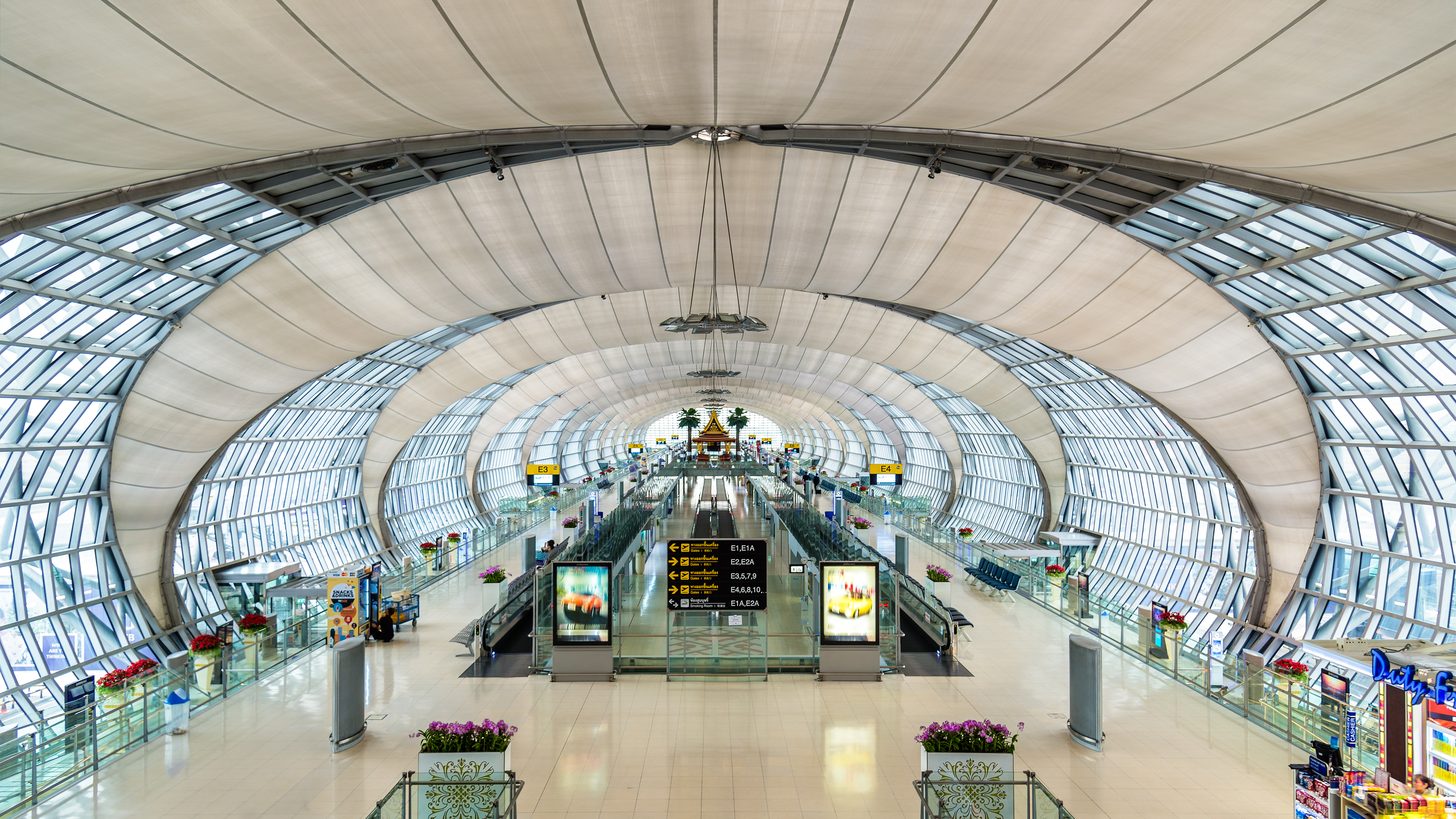
Suvarnabhumi has withdrawn the eight months of roadworks it had scheduled on the terminal's elevated access road for 31 August 2026 to 7 April 2027, after public criticism that the works overlapped the whole high season — and it has not yet announced a new window. For a Thailand DMC for travel agents that is two separate facts: the lane closures and diversions your transfer partners were bracing for will not start, and the date they might start instead is still open. Inside the building, the pre-season push on immigration and screening continues on its own timetable.
Explera DMC Thailand is the ground partner behind these files for agencies worldwide — IATA 96215733, 340+ agency partners, and a trade desk on b2b@explera.co.th that answers with what is operating at the kerb rather than what was announced.
What was announced, and what was withdrawn
The works were repair and maintenance of the expansion joints on the elevated road that serves the passenger terminal — the ramp every taxi, limousine and coach uses to reach the departures kerb, and the one your airport transfer partner drives twice on every job. The airport had published a schedule running from 31 August 2026 to 7 April 2027, with lane closures and traffic diversions along the way. That window sits squarely across the entire 2026/27 high season, and the reaction was loud enough that the airport reversed course before the first cone went down.
- Withdrawn: the lane closures and diversions on the elevated access road that were to begin on 31 August. The airport says it took the public's concerns into account and will revise the implementation period to a more suitable time.
- Not announced: the replacement window. As of 6 September 2026 there is no new start date. Treat "postponed" as exactly that, not as "cancelled".
- Unchanged: the joints still need repairing. The most plausible reading is that the works return after the season, but that is inference, not an announcement — reconfirm before you write any 2027 transfer note.
What is still going ahead inside the terminal
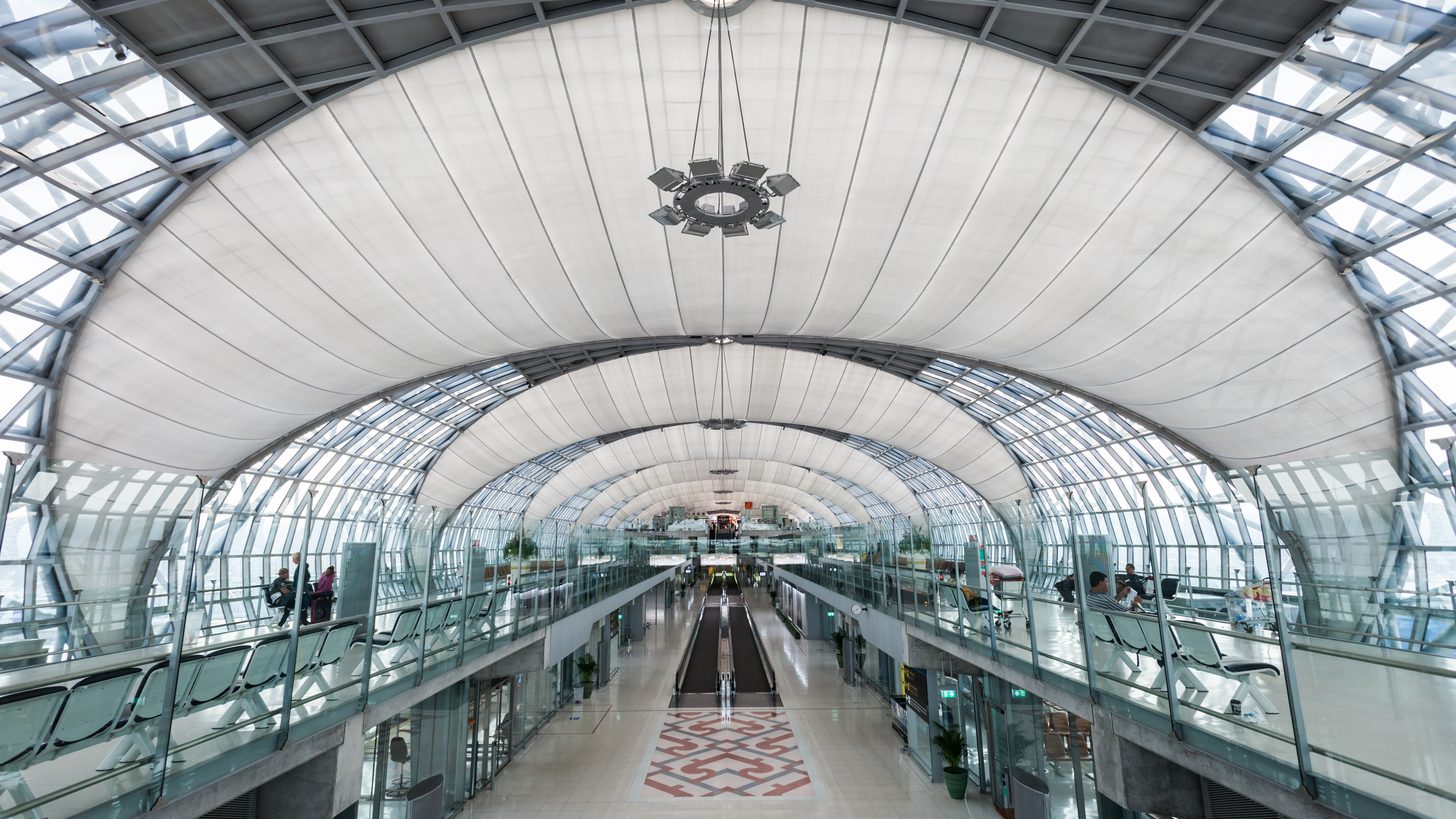
The roadworks were the visible part of a wider pre-season programme, and the rest of it has not been withdrawn. After a ministerial site inspection led by the Deputy Prime Minister and the Tourism Minister, the airport and the Immigration Bureau set out a list that an agent can actually use, because each item has a place and most have a date.
- Automated border control. More than two hundred automated gates are being installed across Suvarnabhumi, Don Mueang and Phuket, including a small number of assisted lanes for passengers who need help, with the target of all of them operating before the end of 2026. The nationality widening that lets more of your clients use them is covered in our auto-gate expansion brief — including why a first-time visitor still queues for a manned desk.
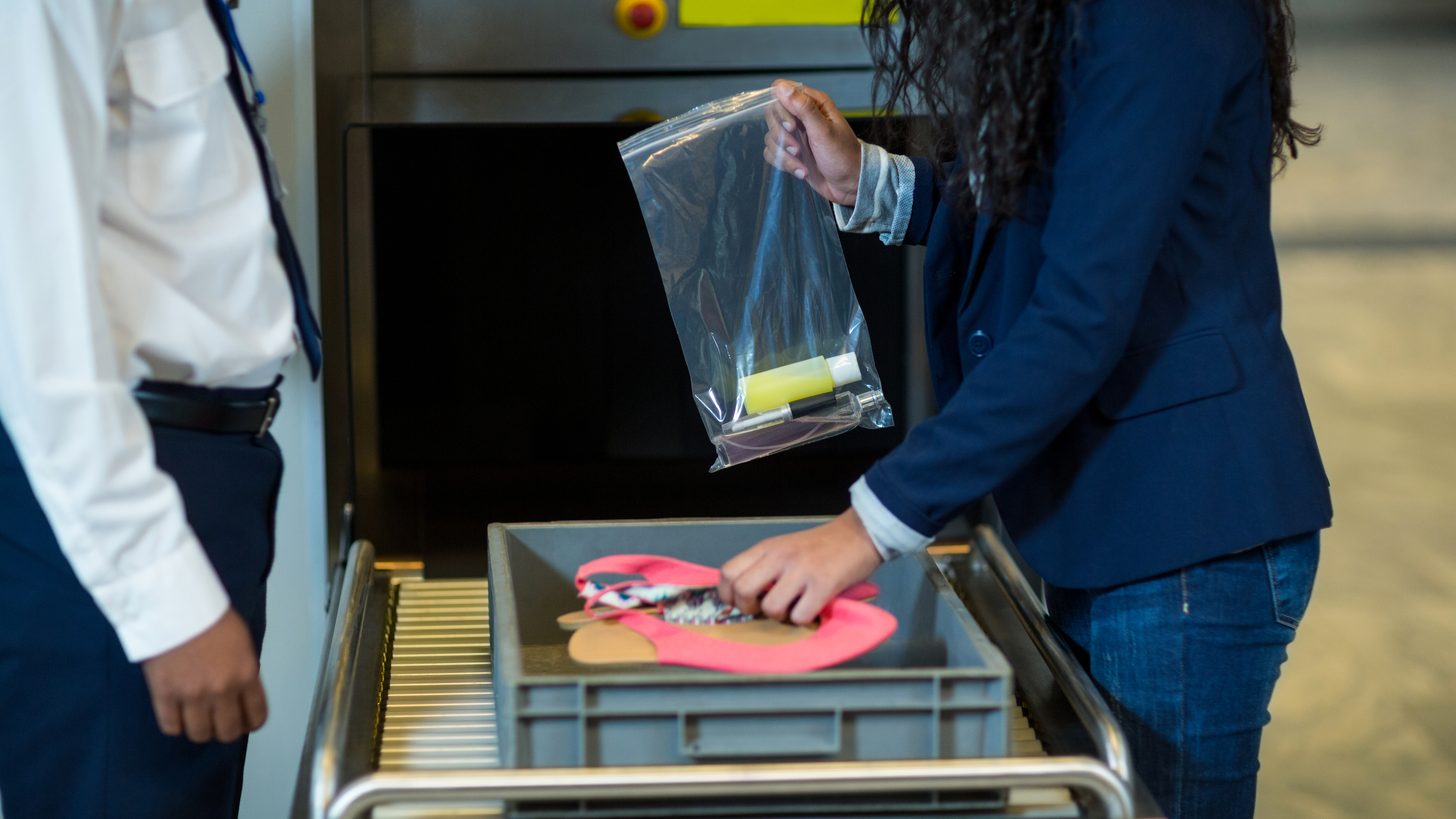
- Passenger validation systems at the security checkpoints, so a boarding pass is checked by a machine rather than a person, and X-ray machines upgraded to CT technology for faster and more accurate screening. This is separate from the checked-baggage inspection rule that starts on 16 October, which we cover in its own post.
- New passenger areas in Concourse C, Concourse F and the SAT-1 satellite terminal — departure-side improvements that matter most to clients with long connections.
- Flexible arrival halls. The airport handles up to around 190,000 passengers on a peak-season day, and the arrivals halls are hardest pressed between about 13:00 and 17:00, when five to six thousand people an hour can reach immigration. The stated plan is to reconfigure hall space and shift staffing across the three entry zones to follow the flight pattern rather than a fixed roster.
What this changes in a transfer plan
Nothing in this story adds time to a transfer; the withdrawn works would have. The practical value is in what you no longer need to build in, and in one habit worth keeping.
- Do not pad high-season transfer timings for roadworks that are not happening. If your operations notes for October to March carry an allowance for the elevated-road closures, take it out — but keep the standard early-afternoon buffer, because the immigration peak is real and unchanged.
- Keep the drop-off point flexible in the paperwork. When the works do return, the diversions will change which level or which lane a vehicle can reach. A transfer voucher that names the kerb rather than the terminal will age badly. Our Thailand DMC transport team writes vouchers to the terminal and briefs the driver on the day.
- Afternoon arrivals need the meet-and-greet more than morning ones. With five to six thousand arrivals an hour into the halls in the early afternoon, a client landing at 14:00 benefits from a greeter inside the terminal far more than one landing at 06:00. The gate expansion helps repeat visitors on eligible passports; it does not help a first-timer.
- Connections through SAT-1 are still a walk plus a train. The new passenger areas improve the wait, not the distance. Keep the minimum connection advice you already give for satellite-terminal departures.
The dates to keep on the file
- 31 August 2026 — the original start of the elevated-road works. Did not happen.
- 7 April 2027 — the original end of the works. No longer applies.
- End of 2026 — the target for the full set of automated gates across the three airports.
- 16 October 2026 — the separate checked-baggage screening rule takes effect.
- 1 October 2026 — Thai AirAsia resumes three Suvarnabhumi domestic routes, adding traffic on the same kerb; see the autumn carrier changes.
- Replacement roadworks window — not announced. We will add a dated block to this post when it is.
How a Thailand DMC handles the kerb in high season
The reason to route Bangkok arrivals through Thailand DMC services for travel agents rather than a transfer aggregator is precisely this kind of week: a change is announced, reversed, and left open, and the client's transfer has to be right on the day regardless. Our drivers are briefed on the current kerb arrangement every morning, our greeters work the arrivals halls through the afternoon peak, and the trade desk knows the day the roadworks are rescheduled before it reaches the news. That is the difference between a Bangkok programme that starts smoothly and one that starts with a phone call. Send your winter arrivals list with dates and flight numbers to the trade desk and we will return transfer timings built on what the airport is actually doing.
Frequently asked questions
Are the Suvarnabhumi elevated-road roadworks cancelled or postponed?
Postponed. The airport withdrew the 31 August 2026 to 7 April 2027 schedule after criticism that it overlapped the high season, and said it would revise the period to a more suitable time. No new dates have been announced as of 6 September 2026.
Should agents still add a roadworks allowance to Bangkok airport transfers this winter?
No. The lane closures and diversions that were to begin on 31 August will not take place on that schedule. Keep the normal early-afternoon buffer for the immigration peak, which is unaffected, and reconfirm with your ground handler if a new window is announced.
What is actually changing inside Suvarnabhumi before high season?
More automated immigration gates across Suvarnabhumi, Don Mueang and Phuket with a target of full operation before the end of 2026, machine-read boarding-pass validation and CT scanners at security, new passenger areas in Concourses C and F and the SAT-1 satellite, and a plan to reconfigure arrival halls and staffing around the afternoon peak.
Does the automated-gate expansion help a first-time visitor?
Not on their first arrival. The gates serve eligible nationalities on repeat entry; a first-time visitor still goes through a manned desk, which is why a greeter matters most for afternoon arrivals in the peak months.
Is the 16 October checked-baggage rule part of this programme?
No. That is a separate regulation on how a flagged checked bag may be opened, and it applies from 16 October 2026 regardless of the terminal upgrades. The CT screening upgrade here is at the passenger checkpoint, not the checked-baggage system.